Home
Ms In Biotechnology Germany
Back to Resources
Germany

MS in Biotechnology in Germany: English Programmes, Fees and Requirements (2027)

Pratik Jain8 min readLast updated

Listen to this article

Full read-aloud (8 min read) • Text highlights as it speaks

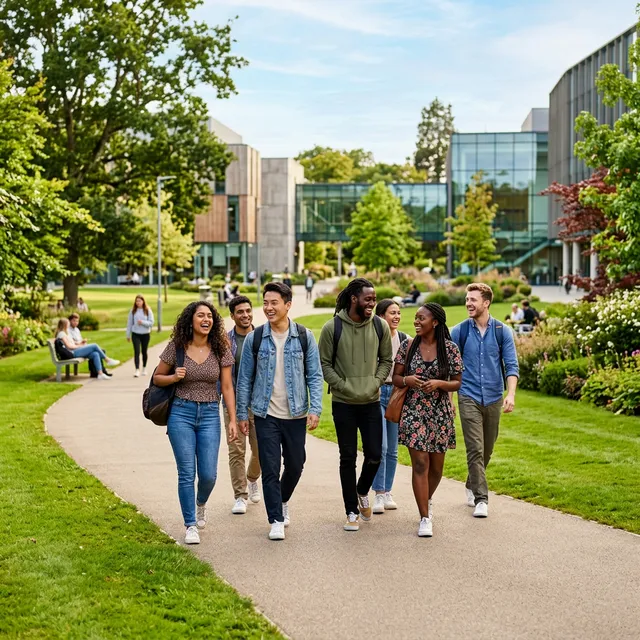
Students on a university campus in Germany

Last Updated: November 5, 2026

QUICK ANSWER: Is an MS in Biotechnology in Germany a good choice for Indian students? It can be, if your Bachelor's subjects match and you plan for German. Most public universities charge no tuition (Baden-Württemberg charges €1,500 a semester), and our database lists more than 20 English-taught Biotechnology Master's. The catches: B.Tech graduates now need the dMAT, B.Sc. graduates must check credit fit, and most jobs expect German at B1 to B2.

Biotechnology Master's in Germany cover molecular biotechnology, bioprocess engineering, pharmaceutical biotechnology and plant or agricultural biotechnology. This guide lists English-taught programmes at public universities from our database, then covers requirements, costs and what jobs look like.
Which English-taught programmes are there?

Selected programmes at public universities from our database (built from DAAD International Programmes, Hochschulkompass and university websites, October 2026). Confirm every figure on the programme's own page before you apply.

ProgrammeUniversityAdmissionIELTS (min)Tuition per semesterWinter deadline
Pharmaceutical BiotechnologyHAW HamburgOpen5.5None1 April to 15 May
AgrobiotechnologyUniversity of GiessenOpen7.0None1 May to 15 June
Chemical and Bioprocess EngineeringTU HamburgOpen6.5NoneUntil 1 March
Pharmaceutical and Molecular BiotechnologyUniversity of UlmOpenCheck the programme€1,500Check the programme
Biology: Microbial and Plant BiotechnologyRPTU Kaiserslautern-LandauOpen7.0NoneCheck the programme
Molecular BiotechnologyUniversity of MarburgSelection7.0None1 April to 15 July
Molecular BiotechnologyAnhalt University of Applied SciencesSelection7.0None15 March to 15 July
Chemical BiotechnologyTU Munich (Straubing)Selection6.5TUM non-EU tuition1 January to 31 May
BiotechnologyUniversity of HohenheimRestricted6.5€1,5001 April to 15 June
BiotechnologyOffenburg University of Applied SciencesRestricted6.0€1,500Until 31 March 2027
Applied BiotechnologyAnsbach University of Applied SciencesRestricted6.5None1 to 31 May
BiotechnologyBTU Cottbus-SenftenbergRestricted6.0NoneCheck the programme
Molecular Life Sciences: Microbiology, Biotechnology and BiochemistryUniversity of GöttingenRestricted7.0NoneCheck the programme
Pharmaceutical and Industrial BiotechnologyUniversity of Halle-WittenbergRestricted6.5NoneCheck the programme

Some restricted programmes publish a minimum German grade, for example 2.5 at Halle and Mainz (Molecular Biotechnology). Search all programmes for your profile in the free German University Shortlister.

Note

Open admission means no limit on places, not easy entry. You are admitted only if you meet every requirement. Read what open admission really means.

Want an honest read on your study-abroad plan?

Book a free 30-minute session with Pratik. Know your profile score, program fit, and 90-day roadmap.

✓Since 2012 · Led by Pratik since 2016
✓Free next intake if an agreed shortlist gets zero offers (terms apply)
✓Direct access to Pratik, same strategist from day one to your visa, no juniors

Does it matter if I have a B.Tech or a B.Sc.?

Yes, in two ways.

B.Tech / B.Eng BiotechnologyB.Sc. Biotechnology or Life Sciences
dMATRequired from the Summer 2027 intake, like every B.Tech and B.Eng branchNot among the affected B.Sc. fields listed by APS India on 29 October 2026
Degree lengthFour years, accepted by most programmesThree years. Check that the programme accepts it. See 3-year degree guide
Best-fit programmesBioprocess, chemical and pharmaceutical biotechnologyMolecular biotechnology, life sciences, plant and agricultural biotechnology

The dMAT test dates are 16 January and 13 March 2027, and centres include Bengaluru. Applicants who registered with APS or shipped documents before 29 June 2026 are exempt. Read our dMAT guide and try the free dMAT mock tests.

Warning

Missing credits in chemistry, biochemistry, molecular biology or maths are a common reason for rejection, not a low CGPA. Compare your transcript with each programme's requirements before paying any fee.

What do programmes expect from my Bachelor's?

AreaTypical requirement
DegreeBiotechnology, biology, biochemistry, chemistry, chemical engineering or a closely related field
SubjectsMolecular biology, biochemistry, microbiology, genetics, chemistry, maths. Bioprocess programmes add process engineering
CreditsEach programme lists its own. Run the credit table check
EnglishIELTS or TOEFL. The German missions in India accept IELTS, TOEFL or Cambridge for the visa, not PTE
RecognitionYour university should be H+ on anabin. See our anabin guide
APSRequired for Indian applicants. See our APS guide

What does it cost?

ItemAmount
TuitionNone at most public universities. €1,500 a semester in Baden-Württemberg. TUM charges non-EU students
Semester contributionA few hundred euros a semester, often including the €226.80 semester ticket
Blocked account€11,904 for the first year (€992 a month)
Health insurance€146.29 a month at TK in 2026 (aged 23 and over, no children)
APS₹18,000
dMAT (B.Tech and B.Eng)Shown on the booking page

Rent is the biggest variable. A shared room costs a median €510 a month across 90 university cities, but €850 in Munich. See our cost of living guide.

What are the job prospects?

Biotechnology graduates work in pharmaceuticals, biopharmaceutical production, diagnostics, food and agricultural biotech, and research institutes. Before you choose a specialisation, read real job ads for the roles you want and note the language and degree they ask for. For salaries, use official data such as the Federal Employment Agency's Entgeltatlas.

After graduationRule
Job searchUp to 18 months on a residence permit
EU Blue Card€50,700 a year, or €45,934.20 for shortage occupations and recent graduates, in 2026
Settlement permitAfter 27 months with a Blue Card, or 21 months with German at B1

Tip

A working student job (Werkstudent) or a Master's thesis with a company is the usual way into a first job. Both are far easier to get with German at B1 or above. See our part-time jobs guide.

📄

Free Guide: SOP Skeleton & 10 Critical Errors

Download our free 1-page PDF SOP framework we use with our students.

What are the pros and cons?

ProsCons
Low or no tuition at most public universitiesMost lab and industry jobs expect German at B1 to B2
English-taught options across molecular, pharma, bioprocess and agri biotechB.Tech graduates now need the dMAT
18-month job search permit after graduationStrict subject and credit matching for B.Sc. graduates
Many programmes in smaller university cities, where rent is usually lowerFewer English-taught options than computer science or engineering

Which scholarships can help?

  • DAAD programmes for Master's students. See our DAAD guide.
  • Deutschlandstipendium, €300 a month, awarded by universities.
  • Indian loan scholarships such as JN Tata Endowment and Narotam Sekhsaria. See our scholarships guide.

Want to know which biotech programmes fit your transcript?

We check your subjects and credits against real programmes before you apply.

Book a free evaluation

Frequently Asked Questions

Is an MS in Biotechnology in Germany free?

At most public universities there is no tuition, only a semester contribution. Universities in Baden-Württemberg, such as Hohenheim, Ulm and Offenburg, charge non-EU students €1,500 a semester, and TUM charges its own tuition.

Can B.Sc. Biotechnology students apply for a Master's in Germany?

Yes, if the programme accepts a three-year Bachelor's and your subjects and credits match. Check each programme's requirements and your degree's anabin status.

Do biotechnology students need the dMAT?

B.Tech and B.Eng Biotechnology graduates do, from the Summer 2027 intake, because the dMAT applies to all B.Tech and B.Eng branches. Life sciences are not among the B.Sc. fields APS India listed as affected on 29 October 2026.

What IELTS score do I need for Biotechnology in Germany?

It varies by programme, from 5.5 at HAW Hamburg to 7.0 at Anhalt, Giessen, Göttingen and Marburg. Check each programme.

Do I need German for a Biotechnology job in Germany?

Not for an English-taught Master's. For most jobs, internships and lab roles, German at B1 to B2 is expected, so start learning before you arrive.

Pratik Jain

Pratik Jain

Study Abroad Strategist

Reknown Edu Services® has guided students abroad from Bengaluru since 2012. Every plan is personally reviewed by Pratik.

🎯 Guiding Students Since 2012🎓 Strategy-First Approach

Get an honest read on your profile (free)

Book a 30-minute session with Pratik. Know your profile score, program fit, and next 90 days.

So we can send a quick message or voice note.

~30 seconds. A real strategist replies within a few working hours. No spam, no cold calls.

✓Since 2012 · Led by Pratik since 2016
✓Free next intake if an agreed shortlist gets zero offers (terms apply)
✓Direct access to Pratik, same strategist from day one to your visa, no juniors